Dupes, Loud Money and the Quality Reckoning
For years, brands relied on the assumption that a higher price signalled higher quality.
But according to The BAMM Drop: The Value Crisis, that relationship is breaking down
We are entering a period where consumers believe quality is falling while prices continue to rise. 58% say the quality of products and services has decreased over time.
When the connection between price and quality drifts apart, consumers don’t just complain. They adapt.
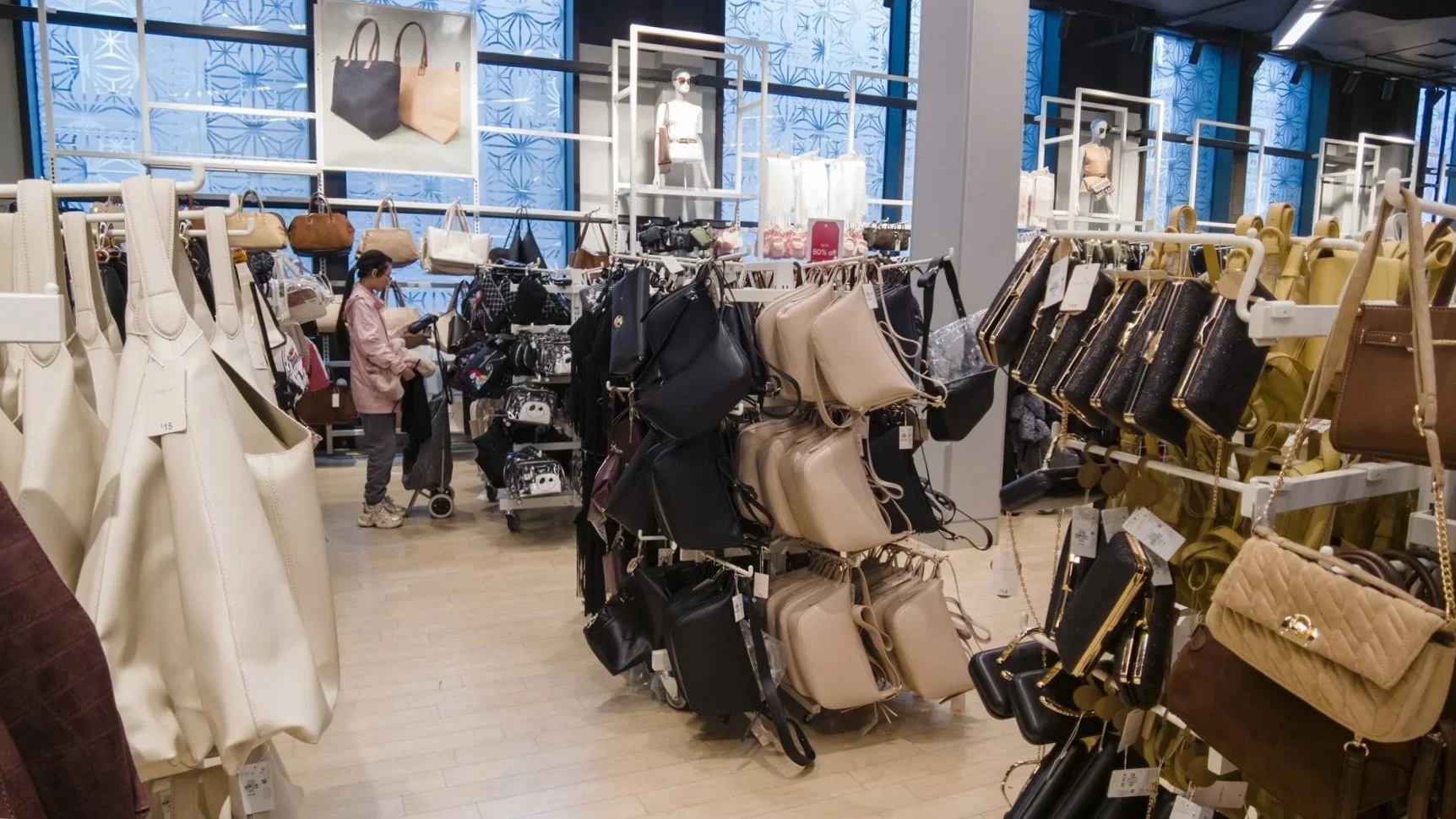
And one of the clearest adaptations is the rise of the dupe. We hit the high streets to speak to shoppers about the benefits of duping and the impact on brands.
From Shame to Strategy
Dupes are no longer quiet substitutions. They are social currency.
TikTok is filled with side-by-side comparisons, factory exposés and store walk-throughs mapping where to find “the same thing, just cheaper.” What used to be hidden as a knock-off is now reframed as a smart decision.
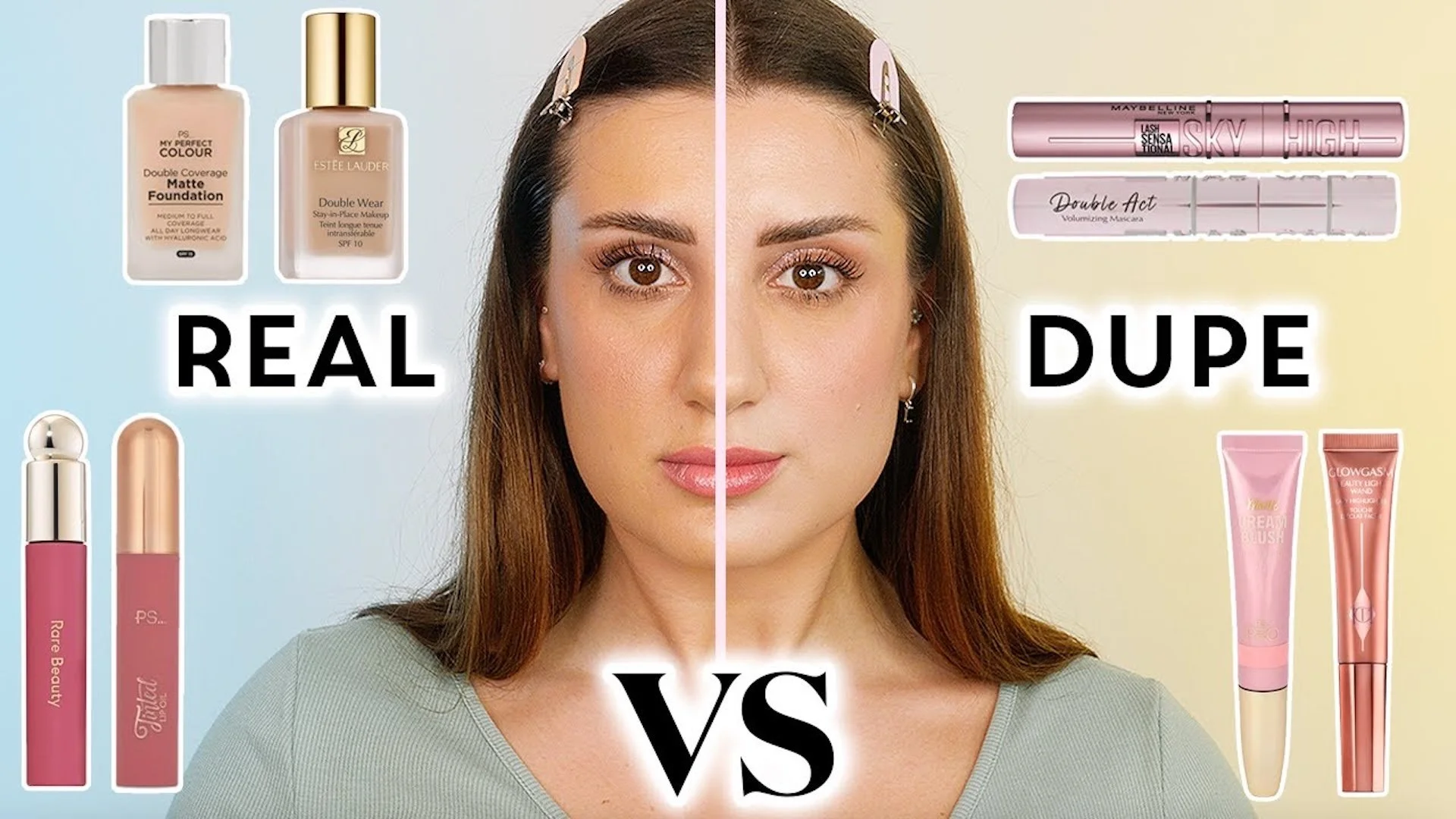
This is not driven purely by affordability. It’s driven by a recalibration of quality.
In The BAMM Drop, Quality emerges as the single most important pillar in driving perceptions of good value (79%). But quality today is defined less by exclusivity and more by reliability/ durability, sensory experience and reputation.
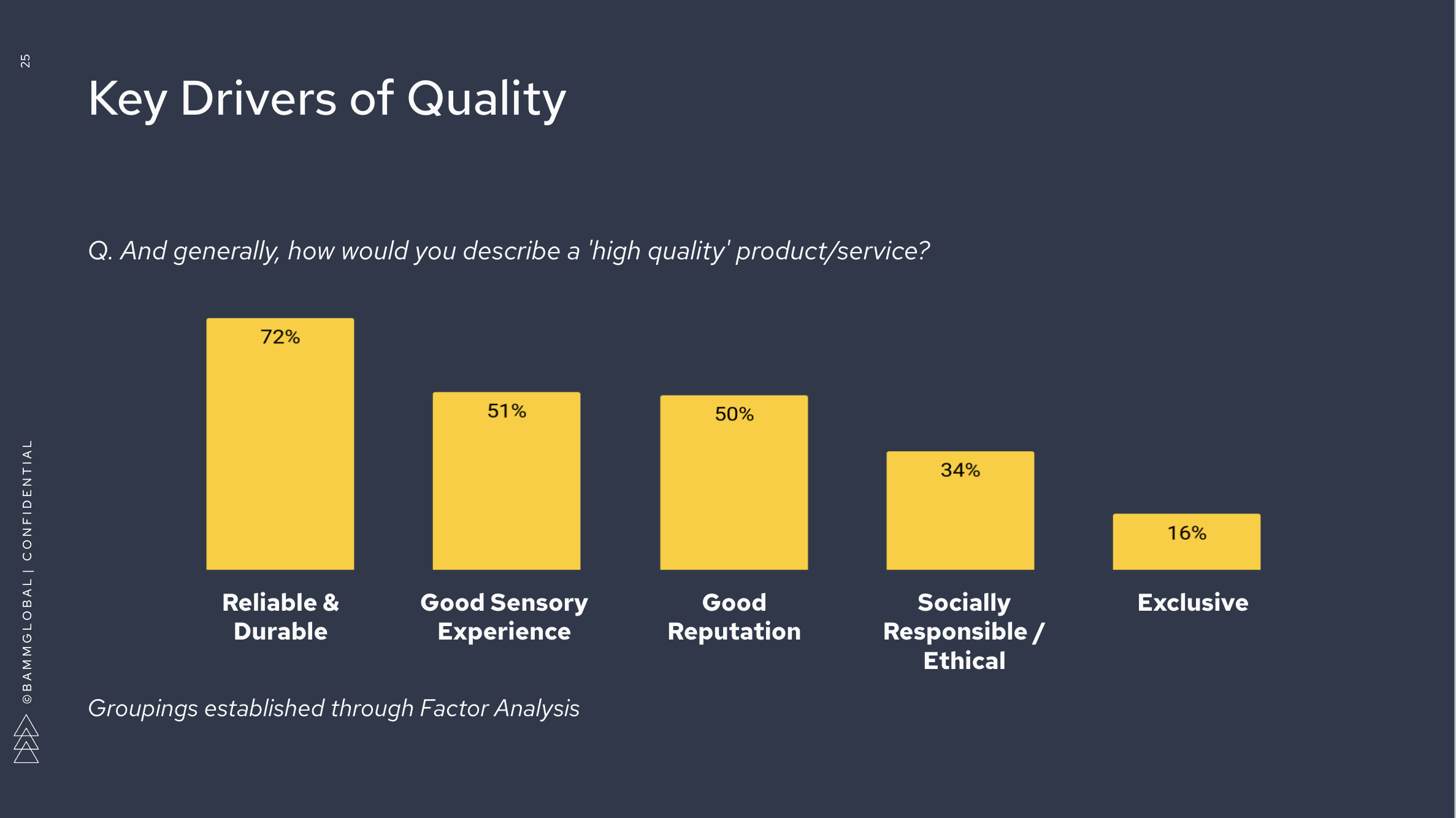
If a £40 trainer lasts, looks good and does the job, the logo becomes secondary. The dupe becomes rational.
Loud Money Changes Everything
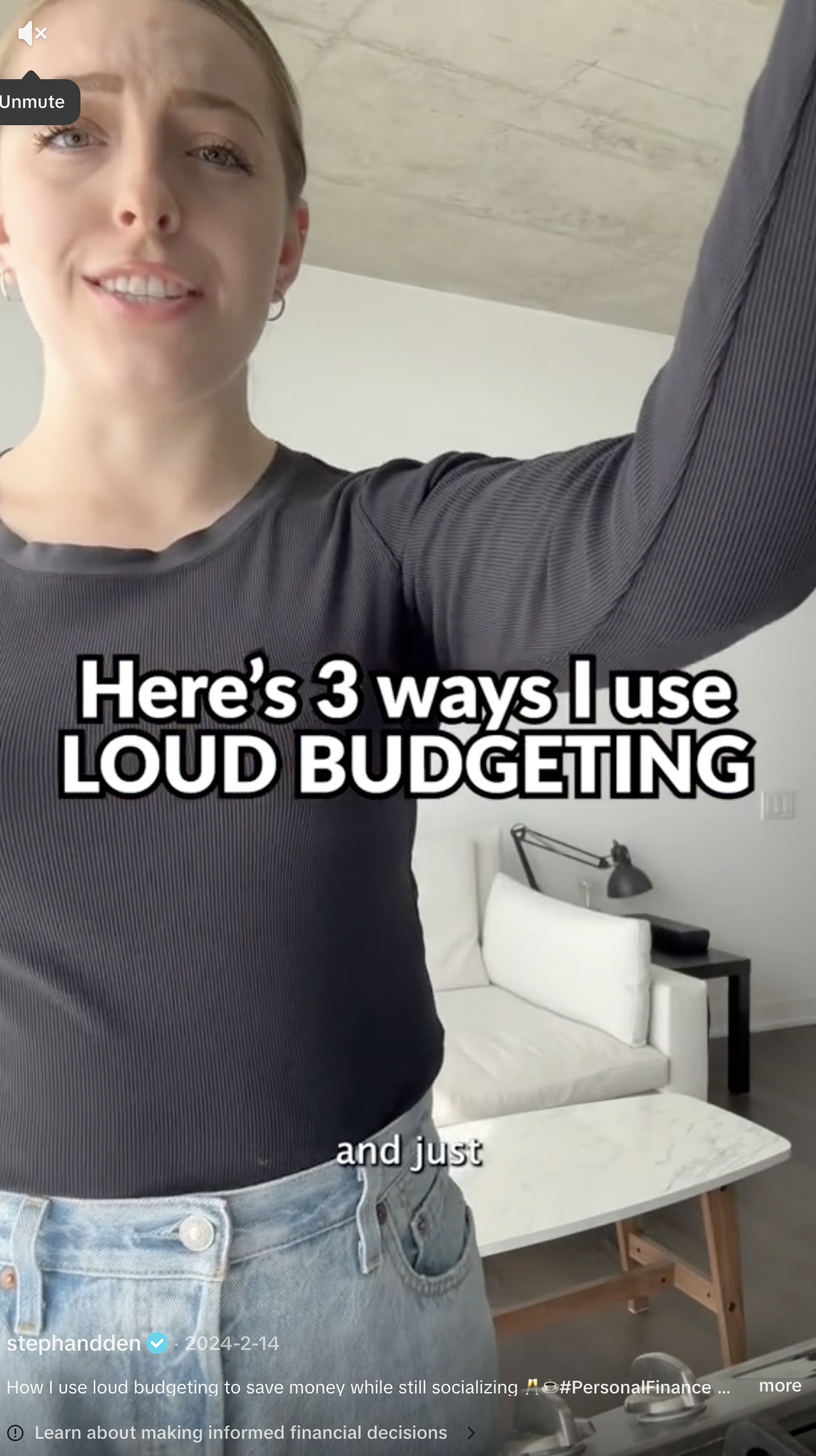
The shift is amplified by what we call Loud Money.
The BAMM Drop shows that talking about money is becoming more collective and less taboo, with 49% of consumers saying they discuss money more so they can save together.
This cultural shift reframes value. Spending less is no longer embarrassing. It’s savvy. Finding a dupe is not a compromise. It’s competence.
Hacking the Value Crisis
The Value Crisis report makes it clear: 61% of consumers now use some form of “hack” to extract more value: buying dupes, thrifting, DIYing, waiting for price drops.
And among 18–24-year-olds, it rises to 67%. Dupes sit squarely within this hacking mentality. When consumers perceive that quality is fading while prices escalate, they engineer their own equilibrium
The Real Risk for Brands
This is not about counterfeit culture. It’s about credibility. If quality remains the strongest driver of value perceptions, then brands cannot rely on price to signal it. They must demonstrate it.
In a Loud Money era, consumers scrutinise cost per use. They share experiences. They expose inconsistencies. They compare notes. If a product commands a premium, it must deliver premium, tangibly, repeatedly, defensibly.
Because once consumers believe the difference is only aesthetic, the dupe stops being a downgrade. It becomes a rational response to a Value Crisis.
Words by Matt Baker
Photography and videography by George Ramsay
Video editing by Sophie Hatch